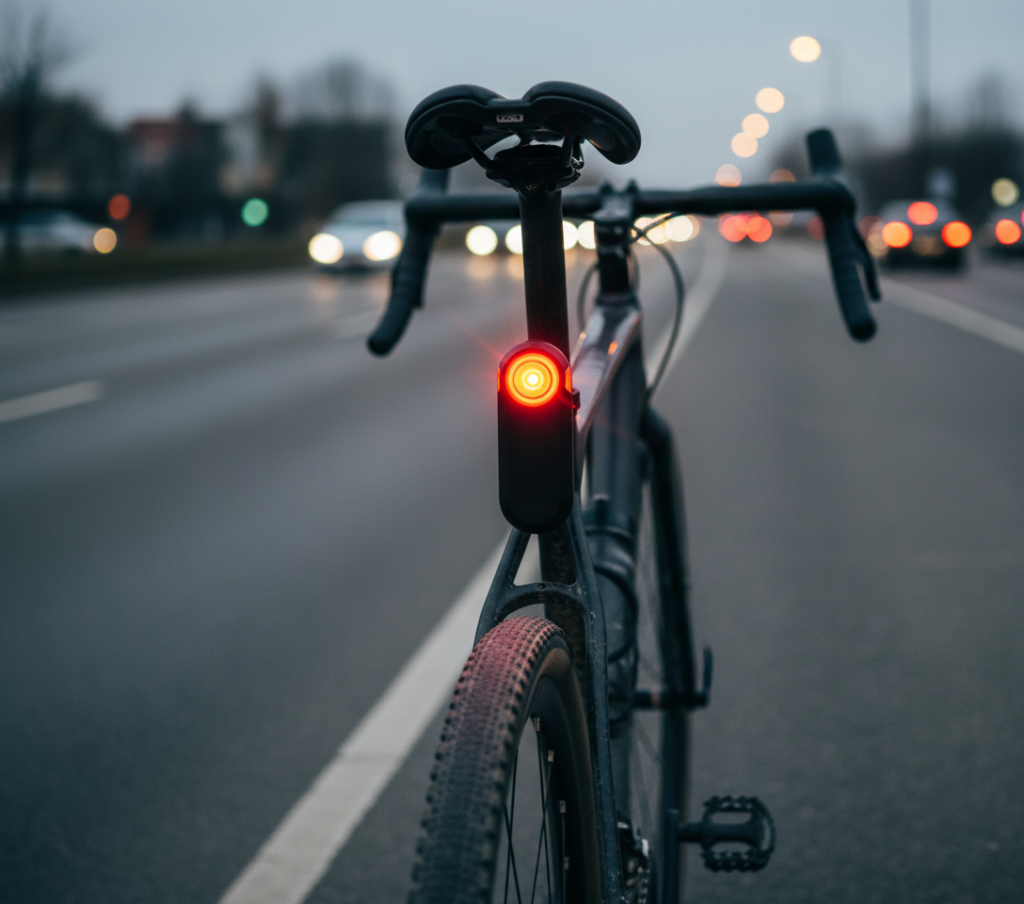
In the modern cycling era, data is the new fuel. Whether you are grinding through a remote gravel path or chasing a new personal best on your local climb, having real-time metrics is no longer a luxury—it’s a necessity.
For a long time, the barrier to entry for GPS navigation was a $500 price tag. Not anymore. At KitCrank, we have field-tested the latest affordable units to find the sweet spot between reliability and cost. Here are our top 3 budget picks for 2026.
| Feature | XOSS G+ (2nd Gen | iGPSPORT BiNavi Air | CooSpo BC107 |
|---|---|---|---|
| Primary Use | Essential Data | Navigation & Style | Endurance & Durability |
| Display Type | 2.2″ Segment LCD | 2.4″ High-Contrast | 2.4″ FSTN Glass |
| Battery Life | Up to 28 Hours | Up to 20 Hours | Up to 28 Hours |
| Navigation | Breadcrumb (Basic) | Turn-by-Turn | No Maps |
| Connectivity | ANT+ / Bluetooth | ANT+ / Bluetooth | ANT+ / Bluetooth |
| Waterproof | IPX7 | IPX7 | IPX7 |
The Entry-Level Standard: XOSS G+ (2nd Gen)
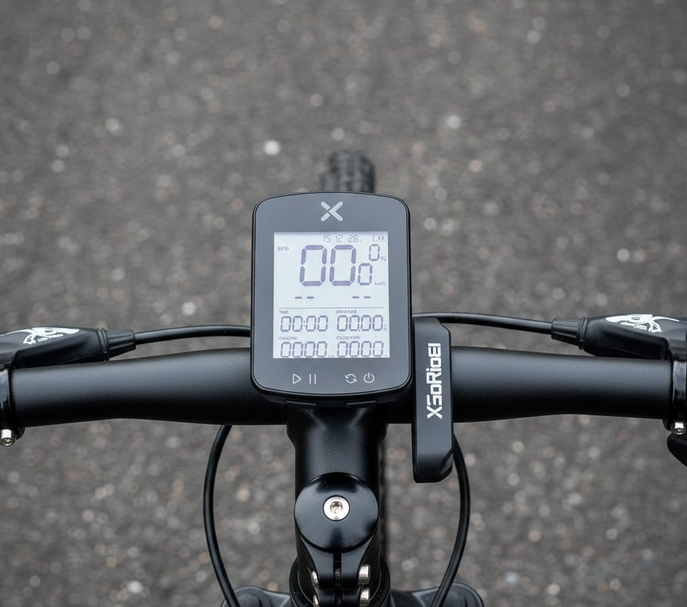
For the “minimalist” cyclist who wants accurate GPS tracking without the clutter of complex maps, the XOSS G+ 2nd Gen remains the undefeated king of the entry-level market.
- Precision Sensing: It utilizes four-satellite positioning (GPS, Beidou, GLONASS, and Galileo) to ensure you don’t lose your track under heavy tree cover.
- Connectivity: Fully compatible with ANT+ sensors, allowing you to sync heart rate monitors and cadence sensors seamlessly.
- The Verdict: Perfect for the weekend warrior who just wants their data on Strava at the end of the day.
The Navigation Specialist: iGPSPORT BiNavi Air
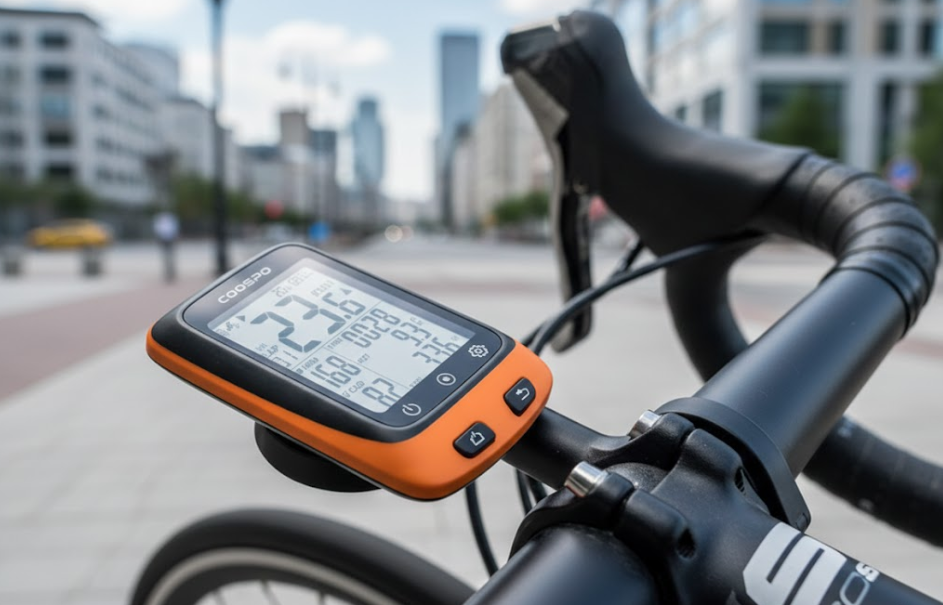
The Endurance Workhorse: CooSpo BC107
KitCrank Final Analysis
Choosing a GPS computer in 2026 is about identifying your riding style.
- Choose the XOSS G+ if you are budget-conscious and want the basics done right.
- Opt for the BiNavi Air if navigation and aesthetics are your priority.
- Grab the CooSpo BC107 if you value battery longevity and ruggedness above all else.